WHAT IS VITREOUS ENAMEL? THE ART BORN AT ~850°C
By VETRIS Atelier
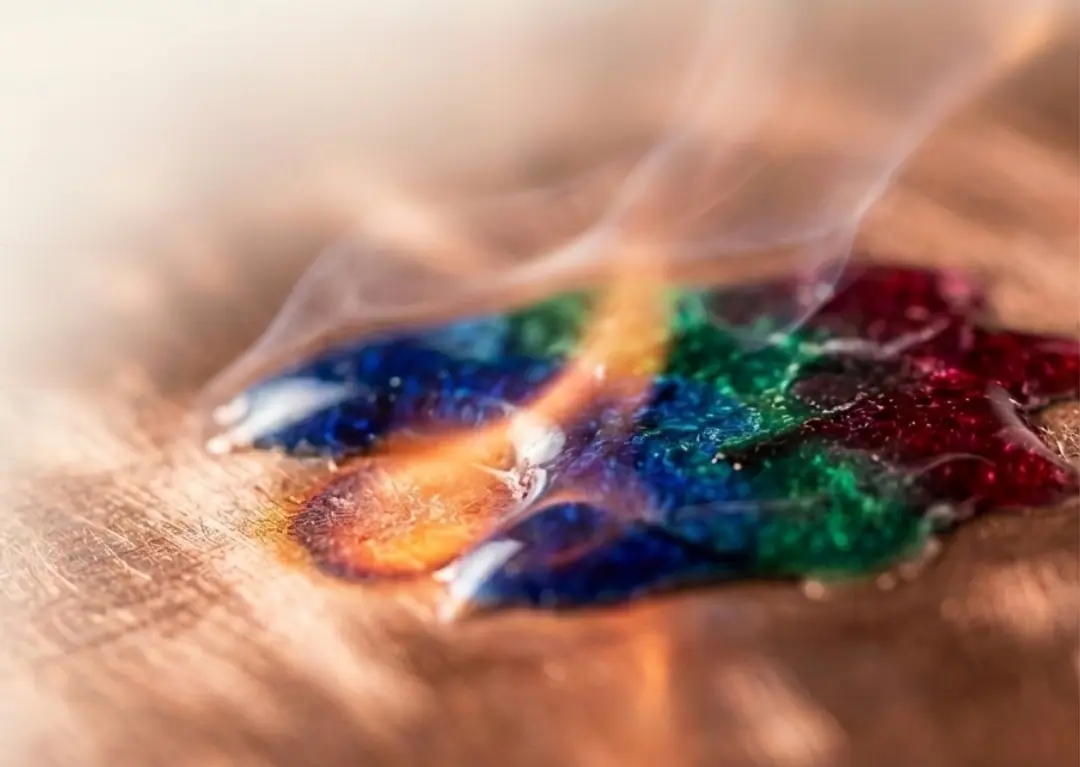
The color you see on the surface. The depth that shifts with light. The tones layered inside one another.
None of this comes from paint.
None of it from print.
What holds light at that depth what makes color that permanent is a chemical bond formed between copper and powdered glass at ~850°C.
Its name: vitreous jewellery enamel.
It has existed for thousands of years. But today, the ateliers that still practice it in its truest form can be counted on one hand.
What Is Vitreous Enamel?
Vitreous jewellery enamel is a specialized powdered glass mixture applied to precious metal surfaces gold, silver, copper and fired at high temperature until it vitrifies.
"Vitreous" comes from the Latin vitrum: glass. The name is not accidental. Once fired, the resulting surface shares nearly identical optical properties with real glass: it reflects light, creates depth, and does not fade over time. Its luminosity is permanent.
Vitreous enamel is composed of glass, metal oxide pigments, and flux. Once applied to a metal surface, it is fired in specialized kilns between 750–900°C. At this temperature, the glass powder melts, forms a chemical bond with the metal surface, and upon cooling becomes a permanent, hard, luminous layer.
The essential point: vitreous enamel is not a decoration. It is a transformation.
━━━━━━━━━━━━━━━━━━━━━━━━━━━━━━━━━━━━━━━━
3,000 Years of a Single Technique
The history of enamel art reaches back to the 13th century BC, based on the earliest examples found by archaeologists. Gold rings discovered in Cyprus bear traces of enamel, evidence of how ancient this craft truly is.
During the Byzantine Empire, enamel art reached its peak. Ateliers in Istanbul produced works that found their way into European royal collections. In medieval Europe, the city of Limoges became the center of enamel production and remains one of the most prestigious enamel-making regions to this day.
In the Ottoman era, enamel art became inseparable from goldsmithing. It appeared on imperial objects, weapon ornamentation, and fine jewelry with extraordinary mastery.
Today, the number of ateliers that practice this technique in its authentic form is vanishingly small worldwide. Industrial paints and digital printing have displaced many craft traditions. Vitreous enamel, however because it demands hand labor at every stage remains one of the rare arts that resists mechanization.
━━━━━━━━━━━━━━━━━━━━━━━━━━━━━━━━━━━━━━━━
How Is It Different From Other Enamel Types?
The word "enamel" can refer to many different techniques. Vitreous jewellery enamel is the most demanding and the most refined among them.
Industrial Enamel vs. Vitreous Jewellery Enamel The glossy surface you see on cookware, sinks, or cast iron products is technically also called "enamel." But this is an industrial process: powdered glass is spray-applied to metal and used in mass production.
In vitreous jewellery enamel, every layer is applied by hand, fired individually, and inspected.
Ceramic Glaze vs. Vitreous Jewellery Enamel Ceramic glaze is a glass-like coating applied to clay. Vitreous jewellery enamel is applied to precious metal copper, gold, or silver and the flexibility and thermal conductivity of the metal creates a chemical bond fundamentally different from ceramic glaze. The optical result is also distinct: vitreous enamel offers higher luminosity and greater color depth.
Vitreous jewellery enamel occupies the highest tier of enamel art in both technical precision and aesthetic outcome.
━━━━━━━━━━━━━━━━━━━━━━━━━━━━━━━━━━━━━━━━
What Happens at ~850°C?
This is the moment where the transformation occurs.
Application: Ground glass powder is applied to the metal surface using a brush or specialized techniques. The layer is thin typically 1–2mm.
Firing: The piece is placed in a specialized kiln. Temperature is held between 750°C and 900°C. At this point, the glass powder melts and fuses with the metal surface at a chemical level.
Cooling: The piece is removed from the kiln and cooled in a controlled manner. Sudden temperature change can crack the glass this stage is as critical as the firing itself.
Result: Metal and glass are no longer two separate layers.
The chemical bond formed between them is far stronger and more permanent than any mechanical adhesion. Multiple layers can be applied each fired individually. This both deepens the color and extends the total production time of each piece.
━━━━━━━━━━━━━━━━━━━━━━━━━━━━━━━━━━━━━━━━
Why Is Every Piece Different?
This is both the most captivating quality of vitreous enamel and its most demanding one.
Minor variations in firing temperature affect color tone. The distribution of the glass powder, ambient humidity at the moment of application, the internal heat distribution of the kiln, the speed of cooling all of these shape the final result.
This is not a flaw. This is the nature of vitreous enamel.
Two pieces made with the same color mixture, by the same hand, in the same kiln, will still produce different surface textures, light reflections, and color transitions.
What a catalog or digital image can show is only an approximation. The piece that arrives in your hands was born at that specific moment, under those specific conditions. It is singular.
For the collector who understands this, it is not a limitation it is precisely what makes it worth having.
━━━━━━━━━━━━━━━━━━━━━━━━━━━━━━━━━━━━━━━━
Vitreous Enamel at VETRIS
The vitreous enamel used in our Istanbul atelier is a glass-powder-based mixture produced specifically for the jewellery industry. This is fundamentally different from industrial enamel.
We apply it by hand onto 100% pure copper surfaces. Every layer is fired individually.
~850°C, for us, is not a temperature it is the moment each piece acquires its own character.
The point of no return.
The enamel techniques used in VETRIS pieces:
Ebruli Enamel: Fluid patterns inspired by the Turkish art of ebru (paper marbling) achieved by moving colored enamel mixtures across a surface in motion. Like true ebru, no pattern can ever be repeated.
Solid Enamel: A single color, at its purest and deepest. Maximum glass luminosity. The color in its most essential form.
Appliqué with Enamel: Sculptural elements birds, fish, geometric forms placed onto a finished enamel surface and fired through the same production process a second time, becoming a permanent part of the piece.
━━━━━━━━━━━━━━━━━━━━━━━━━━━━━━━━━━━━━━━━
Care and Lifespan
Vitreous enamel, with proper care, lasts for decades. Because it is a vitrified surface not a paint
it does not fade, run, or lose its color. It is highly resistant to scratching.
Care: Wipe with a dry, soft cloth.
Note: Enamel can crack under sharp impact. This is a property inherent to glass. Avoid dropping and hard collisions.
━━━━━━━━━━━━━━━━━━━━━━━━━━━━━━━━━━━━━━━━
Questions & Answers
Q: Is vitreous jewellery enamel the same as kiln enamel? A: No. While both involve applying glass to metal, vitreous jewellery enamel is applied layer by layer by hand, using pigments made specifically for the jewellery industry. Kiln enamel is an industrial process spray-applied and used in mass production. There are significant differences in color depth, surface quality, and durability.
Q: Does enamel color fade over time? A: No. Because vitreous enamel vitrifies forming a chemical bond between the glass powder and the metal surface it does not fade or run like paint. The copper itself may develop a natural patina over time through oxidation. This does not diminish the piece; on the contrary, it deepens its character.
Q: How many layers of enamel are applied to VETRIS pieces? A: It varies by piece and technique. Ebruli designs involve multiple color layers. Each layer is fired individually a process that both increases color depth and extends production time. A single piece may require several days in the atelier before it is ready.
Q: What is the difference between enamel and ceramic glaze? A: Glaze is a glass-like coating applied to ceramic surfaces. Vitreous jewellery enamel is applied to precious metal specifically copper, silver, or gold. The flexibility and thermal conductivity of metal creates a fundamentally different chemical bond than ceramic glaze. The optical result also differs: vitreous enamel offers greater luminosity and deeper color.
━━━━━━━━━━━━━━━━━━━━━━━━━━━━━━━━━━━━━━━━
Perhaps the most important thing to understand about vitreous enamel is this:
It is not a coating technique. It is a process of transformation.
At ~850°C, metal and glass cease to exist separately and become a single surface.
The weight you feel when you hold a VETRIS piece. The depth of color you see. The surface that shifts with light.
All of it is the result of that transformation.
Explore the Craft Series →